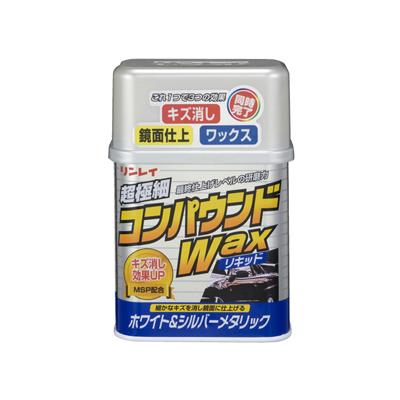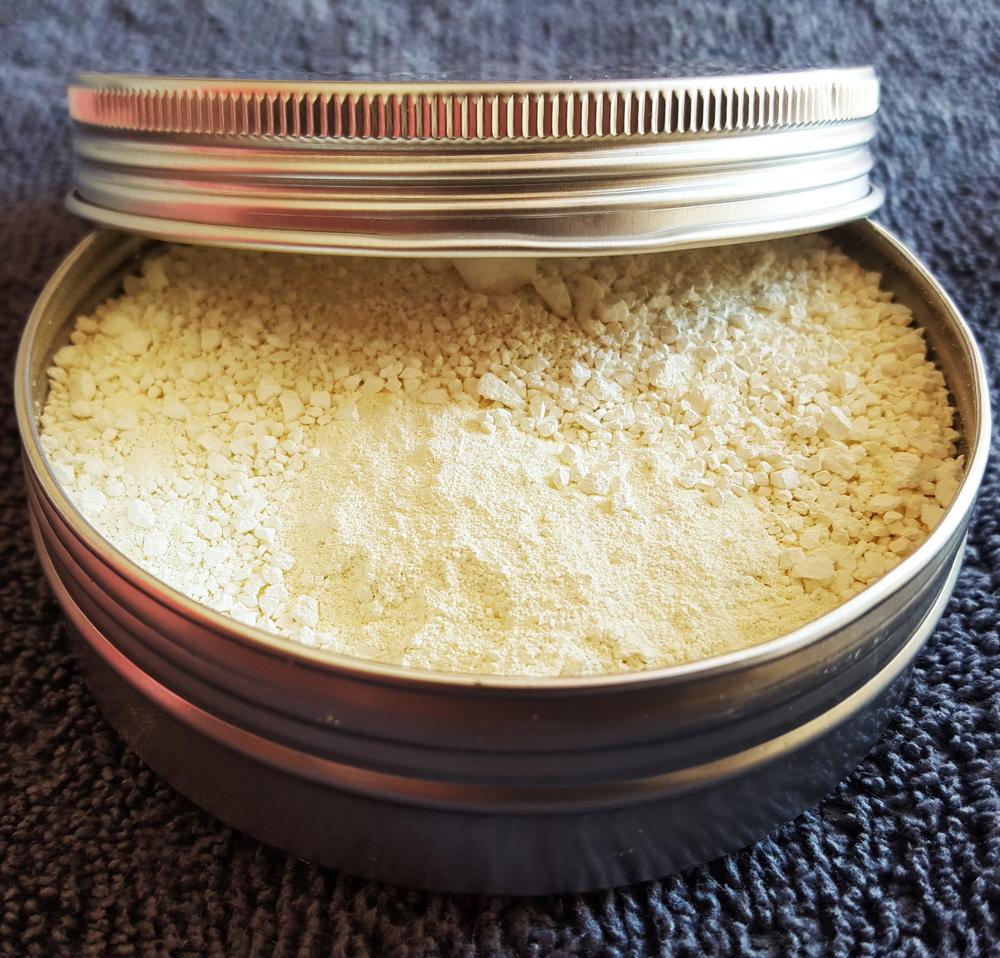
TACSYSTEM Refinish Ultra One Step Compound 500ml
TACSYSTEM Refinish Ultra One Step Compound - A diminishing abrasives cutting compound
Cut, polish, finish, in one single step.
So what traits does a “great” cutting compound have? What differentiate all the compounds apart? Does it work on paint only or does it work on plastics, gel coat, fiber glass, etc also? What makes a marine compound different than an automotive one? What does it mean by “body shop safe”? Are oil based better or water based?
Let’s dissect the questions one by one. Firstly, a great cutting compound start with the shape of the abrasion itself, though the aluminium oxide used in compounds are more or less the same across brands, minerals are minerals, it’s the same across the globe, but its purity and the shape that matters. Majority of the compounds use spherical shape abrasions, so does TAC’s first gen compounds, however it has been tested and evolved from spherical to octagonal (2nd gen), and now the abrasions take the form of a tetrahedron. The tetrahedron shape increases initial cut, however being a triangle shaped abrasion, it’s also more bristle, making it easier to break into smaller and finer pieces, thus the “diminishing abrasion”. As it breaks down, the cut decreases, it helps with minimize swirling. Swirling is very common to cutting compounds, the above is TAC’s effort to minimize it.
Next are the solvents. A solvent’s job is not only making the the compound pliable, but it also acts as a chemical cleaner, or “abrasion” as it softens the substrate ever so slightly making the polishing more efficient and effective. This is often referred to as “chemical cut”. This is how “cleaner waxes” work, or in TAC’s case, the R3 Finishing Polish (though it does have micro abrasion). Then there are the resins. The resin’s job is to act as a barrier between the abrasion and substrate, it “engulfs” the tetrahedron abrasions, cushioning it, letting them becoming softer and smoother as it breaks down. Think of it this way, when the abrasion is large, it’s aluminium oxide to resin ratio is high, say 10:1, but as the oxides break down to smaller pieces, it’s ratio to resins also gets lower and lower to 5:1, 2:1 and so on, helping it reduce micro swirling. The resins also retain the moisture in the polish, increasing its polishing time, reducing flash time. If a compound dries too fast, then it dusts and powders.
Generally speaking, the difference between a marine polish vs an automotive version is this: marine or RVs are coated with gel coat vs paint, they’re generally harder as gel coat needs that hardness and density to withstand salt water, outdoor elements etc more than a car does. Thus the size and volume of abrasion is more. More abrasion also means more heat, so more resins or solvents will need to be added to increase polishing time. The increased solvents are also very beneficial due to the fact that most RV/boats are polished outdoors, where panels can get hot from the sun. In short, yes an automotive compound can be used on gel coat.
Now oil based vs water based: water based are often preferred by body shops, since they’re cleaner to work with, easier to clean out from pads, and won’t cake up as much. However oil based compounds has longer working range and more lubricity, but can be difficult to clean from pads or remove from panels if it gets caked on by heat (generated from the polisher). There are many pros and cons to both, but generally water based products you want to work with a slower machine speed. TACSYSTEM’s compounds and polishes are water based, enhanced by good performing resins.
Another point on solvents in the compound: as previously mentioned, the stronger the solvent, the stronger the chemical cut, however it can also leave white marks on plastic trims or rubber seals, as it can distort colour from trims if left unattended, that’s why you often will see detailers mask up trims. This is common to waxes also; you let waxes cure on textured trims and now it’s faded, why? It’s due to the petroleum distillate mixture used to make paste waxes pliable. The distillates are very commonly used, it’s slightly caustic, but it’s a required ingredient for paste waxes, they also make great chemical cleaners. That’s the primary reason why “wax cleans”.
What makes the Refinish Ultra slightly different than the R series in terms of cutting is the additional of different mineral oils and glycerin. Remember how resins can influence finish as compounds break down? The above gives it more cutting range but while still being a water based compound. That’s why the Refinish Ultra is a “single stage compound”, it cuts and finishes in a single stage. However to achieve the “single stage cut and finish”, pad selection is equally as important.
Original: $24.83
-65%$24.83
$8.69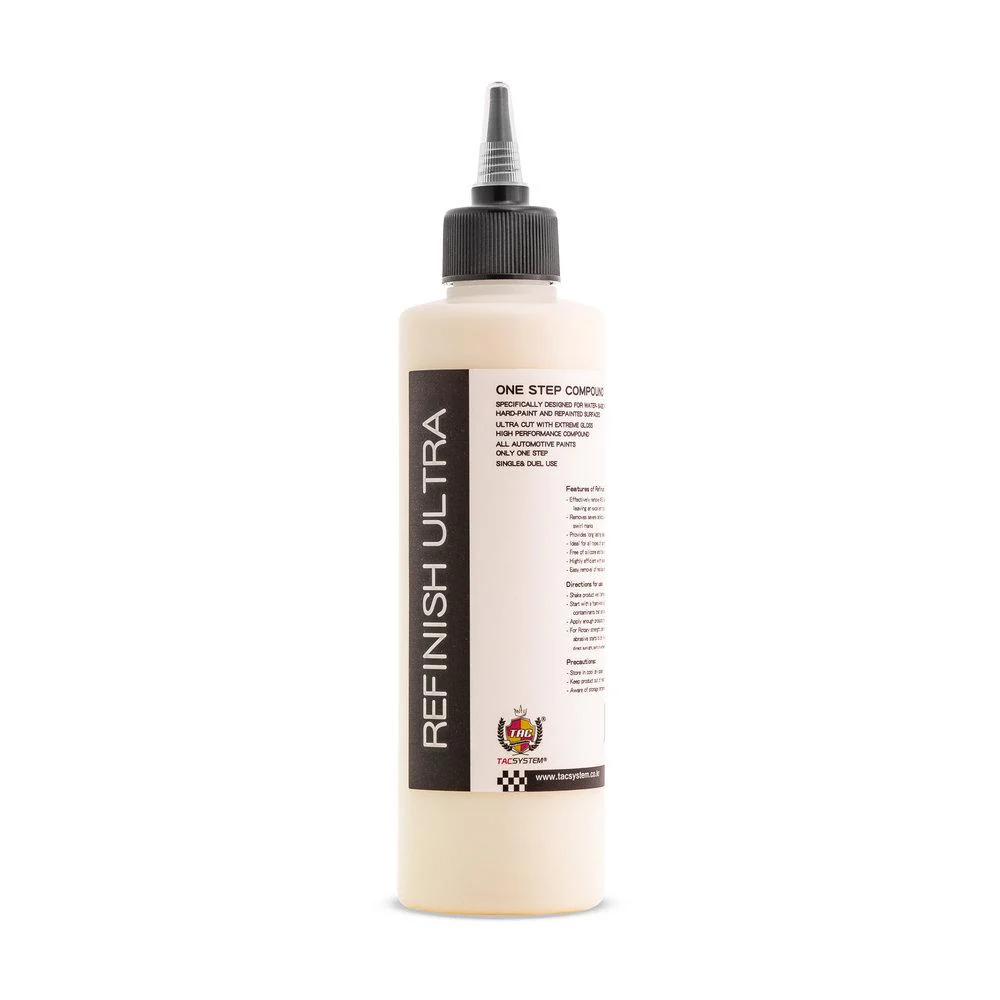
Description
TACSYSTEM Refinish Ultra One Step Compound - A diminishing abrasives cutting compound
Cut, polish, finish, in one single step.
So what traits does a “great” cutting compound have? What differentiate all the compounds apart? Does it work on paint only or does it work on plastics, gel coat, fiber glass, etc also? What makes a marine compound different than an automotive one? What does it mean by “body shop safe”? Are oil based better or water based?
Let’s dissect the questions one by one. Firstly, a great cutting compound start with the shape of the abrasion itself, though the aluminium oxide used in compounds are more or less the same across brands, minerals are minerals, it’s the same across the globe, but its purity and the shape that matters. Majority of the compounds use spherical shape abrasions, so does TAC’s first gen compounds, however it has been tested and evolved from spherical to octagonal (2nd gen), and now the abrasions take the form of a tetrahedron. The tetrahedron shape increases initial cut, however being a triangle shaped abrasion, it’s also more bristle, making it easier to break into smaller and finer pieces, thus the “diminishing abrasion”. As it breaks down, the cut decreases, it helps with minimize swirling. Swirling is very common to cutting compounds, the above is TAC’s effort to minimize it.
Next are the solvents. A solvent’s job is not only making the the compound pliable, but it also acts as a chemical cleaner, or “abrasion” as it softens the substrate ever so slightly making the polishing more efficient and effective. This is often referred to as “chemical cut”. This is how “cleaner waxes” work, or in TAC’s case, the R3 Finishing Polish (though it does have micro abrasion). Then there are the resins. The resin’s job is to act as a barrier between the abrasion and substrate, it “engulfs” the tetrahedron abrasions, cushioning it, letting them becoming softer and smoother as it breaks down. Think of it this way, when the abrasion is large, it’s aluminium oxide to resin ratio is high, say 10:1, but as the oxides break down to smaller pieces, it’s ratio to resins also gets lower and lower to 5:1, 2:1 and so on, helping it reduce micro swirling. The resins also retain the moisture in the polish, increasing its polishing time, reducing flash time. If a compound dries too fast, then it dusts and powders.
Generally speaking, the difference between a marine polish vs an automotive version is this: marine or RVs are coated with gel coat vs paint, they’re generally harder as gel coat needs that hardness and density to withstand salt water, outdoor elements etc more than a car does. Thus the size and volume of abrasion is more. More abrasion also means more heat, so more resins or solvents will need to be added to increase polishing time. The increased solvents are also very beneficial due to the fact that most RV/boats are polished outdoors, where panels can get hot from the sun. In short, yes an automotive compound can be used on gel coat.
Now oil based vs water based: water based are often preferred by body shops, since they’re cleaner to work with, easier to clean out from pads, and won’t cake up as much. However oil based compounds has longer working range and more lubricity, but can be difficult to clean from pads or remove from panels if it gets caked on by heat (generated from the polisher). There are many pros and cons to both, but generally water based products you want to work with a slower machine speed. TACSYSTEM’s compounds and polishes are water based, enhanced by good performing resins.
Another point on solvents in the compound: as previously mentioned, the stronger the solvent, the stronger the chemical cut, however it can also leave white marks on plastic trims or rubber seals, as it can distort colour from trims if left unattended, that’s why you often will see detailers mask up trims. This is common to waxes also; you let waxes cure on textured trims and now it’s faded, why? It’s due to the petroleum distillate mixture used to make paste waxes pliable. The distillates are very commonly used, it’s slightly caustic, but it’s a required ingredient for paste waxes, they also make great chemical cleaners. That’s the primary reason why “wax cleans”.
What makes the Refinish Ultra slightly different than the R series in terms of cutting is the additional of different mineral oils and glycerin. Remember how resins can influence finish as compounds break down? The above gives it more cutting range but while still being a water based compound. That’s why the Refinish Ultra is a “single stage compound”, it cuts and finishes in a single stage. However to achieve the “single stage cut and finish”, pad selection is equally as important.