🚚 Free Worldwide Shipping on All Orders!Shop Now

Adam's Graphene VRT 16oz
Graphene VRT™ is yet another evolution of a fan favorite! Graphene VRT™ is designed to darken, restore, and protect vinyl, rubber and tires by utilizing various silicone polymers and a blend of curable resins that protects from UV damage, oxidation, and without the worry of slinging.
- Contains Graphene Ceramic Resins
- Darkens, Restores, and Protects Vinyl, Rubber, and Tire Appearance
- Thick Crème-Lotion, Zero-Sling Formulation
- No Oily Residue & Dry to the Touch
- Crisp, Green Apple Scent
$6.39
Original: $18.25
-65%Adam's Graphene VRT 16oz—
$18.25
$6.39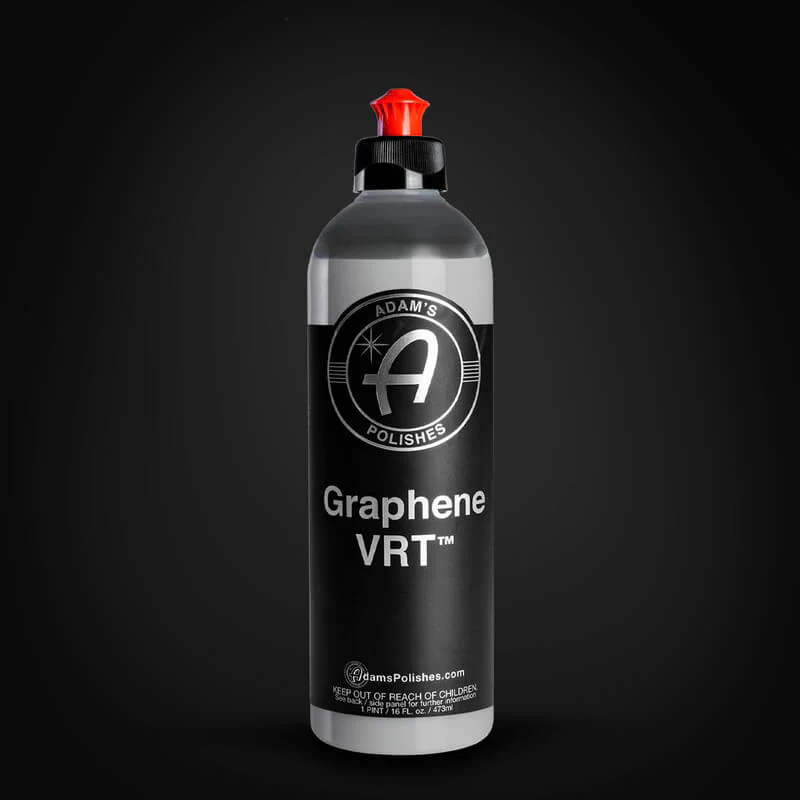
Description
Graphene VRT™ is yet another evolution of a fan favorite! Graphene VRT™ is designed to darken, restore, and protect vinyl, rubber and tires by utilizing various silicone polymers and a blend of curable resins that protects from UV damage, oxidation, and without the worry of slinging.
- Contains Graphene Ceramic Resins
- Darkens, Restores, and Protects Vinyl, Rubber, and Tire Appearance
- Thick Crème-Lotion, Zero-Sling Formulation
- No Oily Residue & Dry to the Touch
- Crisp, Green Apple Scent